
As an Amazon Associate, I earn from qualifying purchases.
Microfiber car towel comparison shows high GSM, plush pile, and tight weave win for drying.
I’ve spent years detailing cars, testing towels, and advising detail shops. This microfiber car towel comparison breaks down what matters, shows real-world results, and helps you buy and care for the right towel for washing, drying, polishing, and glass work. Read on for clear steps, hands-on tips, and an easy checklist to pick the best microfiber for your ride.
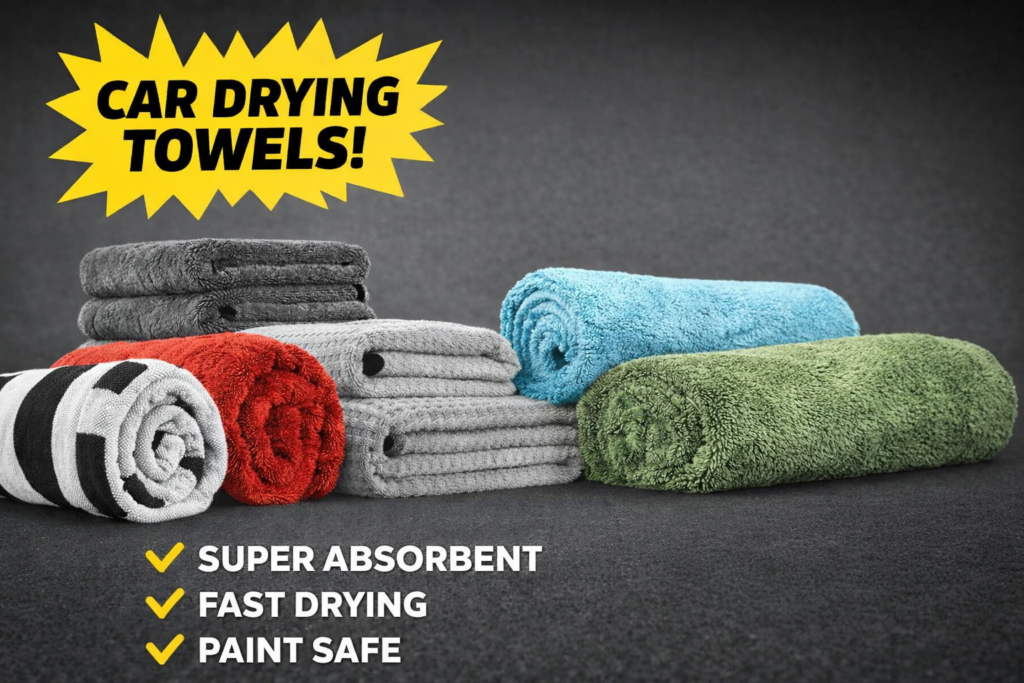
Why a microfiber car towel comparison matters
Contents
- 1 Why a microfiber car towel comparison matters
- 2 Microfiber basics: materials, GSM, and weave
- 3 Types of microfiber car towels and how they differ
- 4 Performance criteria to use in any microfiber car towel comparison
- 5 Real-world testing and personal experience
- 6 How to choose the right microfiber towel: a buyer’s checklist
- 7 Care and maintenance: extend towel life
- 8 Common mistakes, limitations, and how to avoid them
- 9 Quick PAA-style questions
- 10 Frequently Asked Questions of microfiber car towel comparison
- 11 Conclusion
Microfiber towels are the top tool for safe cleaning and drying. A focused microfiber car towel comparison helps you spot which towel prevents scratches, lifts water fast, and leaves no streaks. When you choose the right towel, you reduce swirl marks and speed up your routine.
From washes to ceramic maintenance, this microfiber car towel comparison saves time and protects paint. I’ll explain metrics like GSM, pile length, and weave type so you can match towel type to task. You will learn how to avoid cost traps and find the best value for your needs.
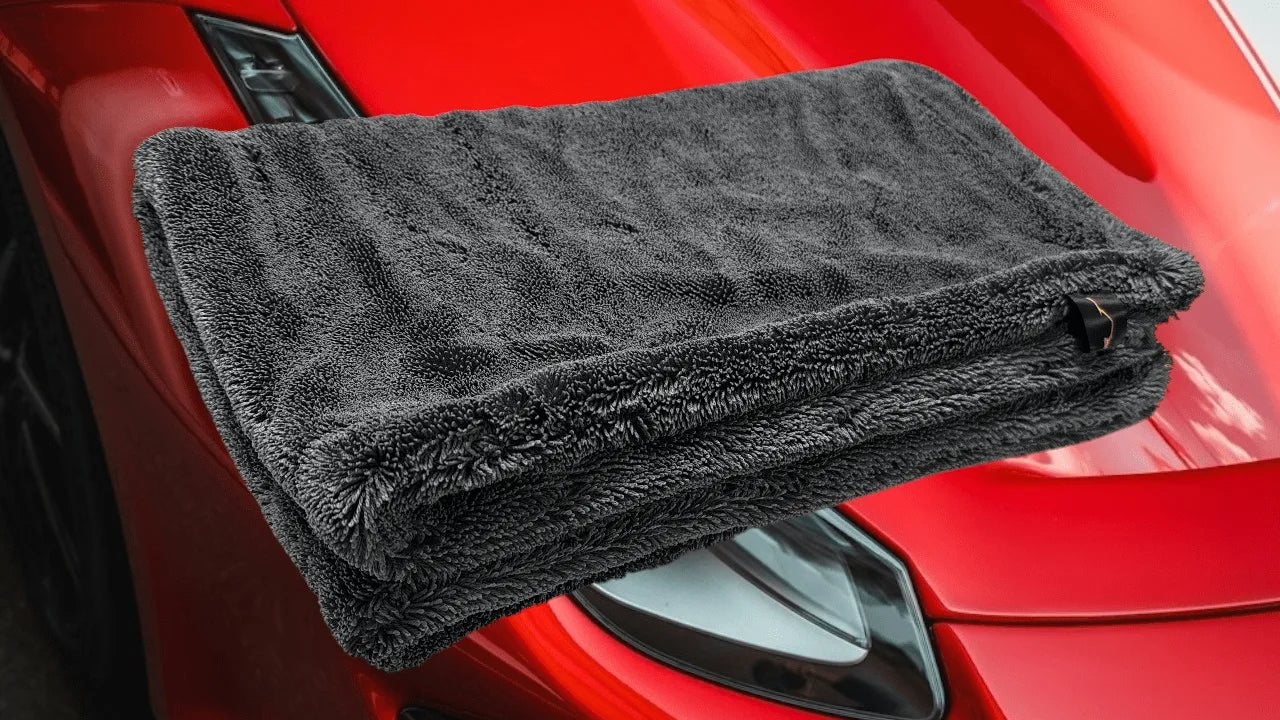
Microfiber basics: materials, GSM, and weave
Microfiber is a blend of polyester and polyamide. It splits into tiny filaments that trap dirt and water. GSM stands for grams per square meter and measures density. Higher GSM generally means higher absorbency and a plusher feel.
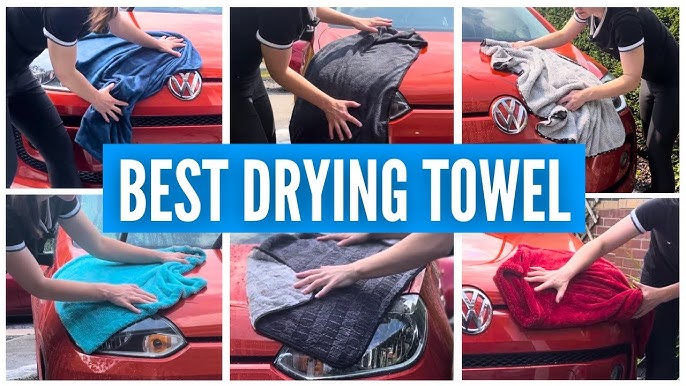
Weave affects function. Waffle and honeycomb weaves excel at drying. Plush or long-pile towels are better for lifting water and for polishing. Looped or twist fibers are common for glass and interior work. This microfiber car towel comparison looks closely at these attributes.
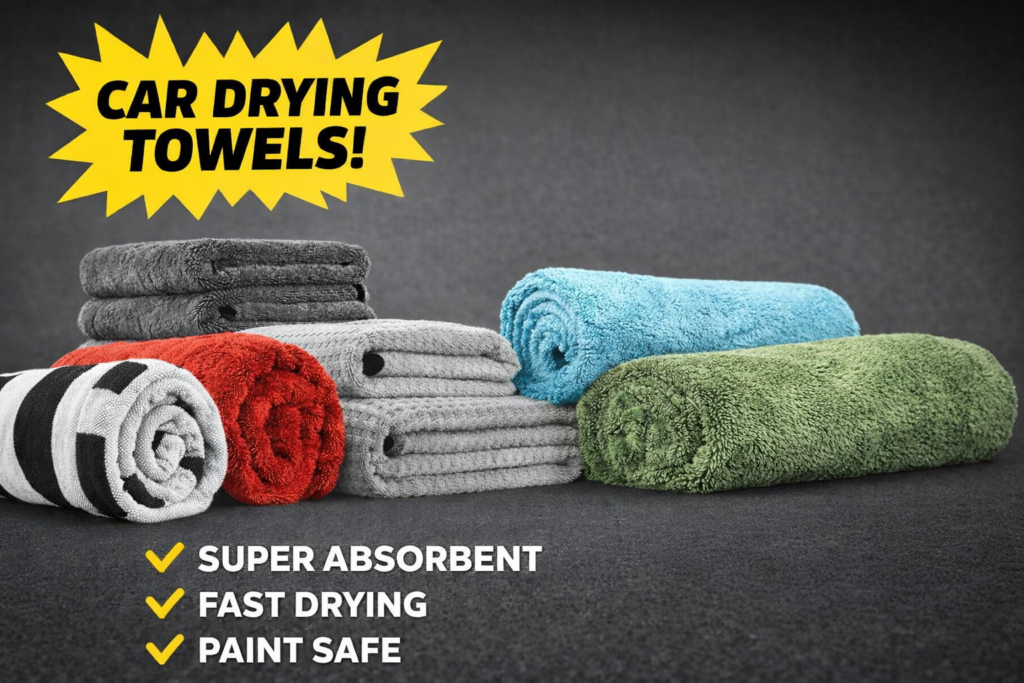
Types of microfiber car towels and how they differ
- Plush drying towels
- Long pile, high GSM. Best for drying after a rinse. They are soft and absorbent.
- Waffle weave drying towels
- Lower pile, structured surface. They push water off quickly and dry fast between uses.
- Glass and lint-free towels
- Low nap, tight weave. Designed for streak-free windows and mirrors.
- Ultra-soft finishing towels
- Short pile, low GSM. Used for remove polish and applying sealants.
- All-purpose towels
- Medium GSM and pile. Versatile but not specialized.
In a microfiber car towel comparison, match towel type to task. Plush for drying. Waffle for quick water removal. Glass towels for clarity.

Performance criteria to use in any microfiber car towel comparison
- Absorbency
- How much water per towel and how fast it pulls water from paint.
- Drying speed
- The time to remove standing water after a wash.
- Lint and streaking
- Whether the towel leaves fibers or streaks behind.
- Paint safety
- How well the towel resists trapping grit that can scratch paint.
- Durability and care
- How many washes until performance drops.
- Cost and value
- Upfront price versus usable life and performance.
When I run a microfiber car towel comparison, I test towels wet and dry, with grit present and on clean surfaces. That reveals real-world strengths and weaknesses.
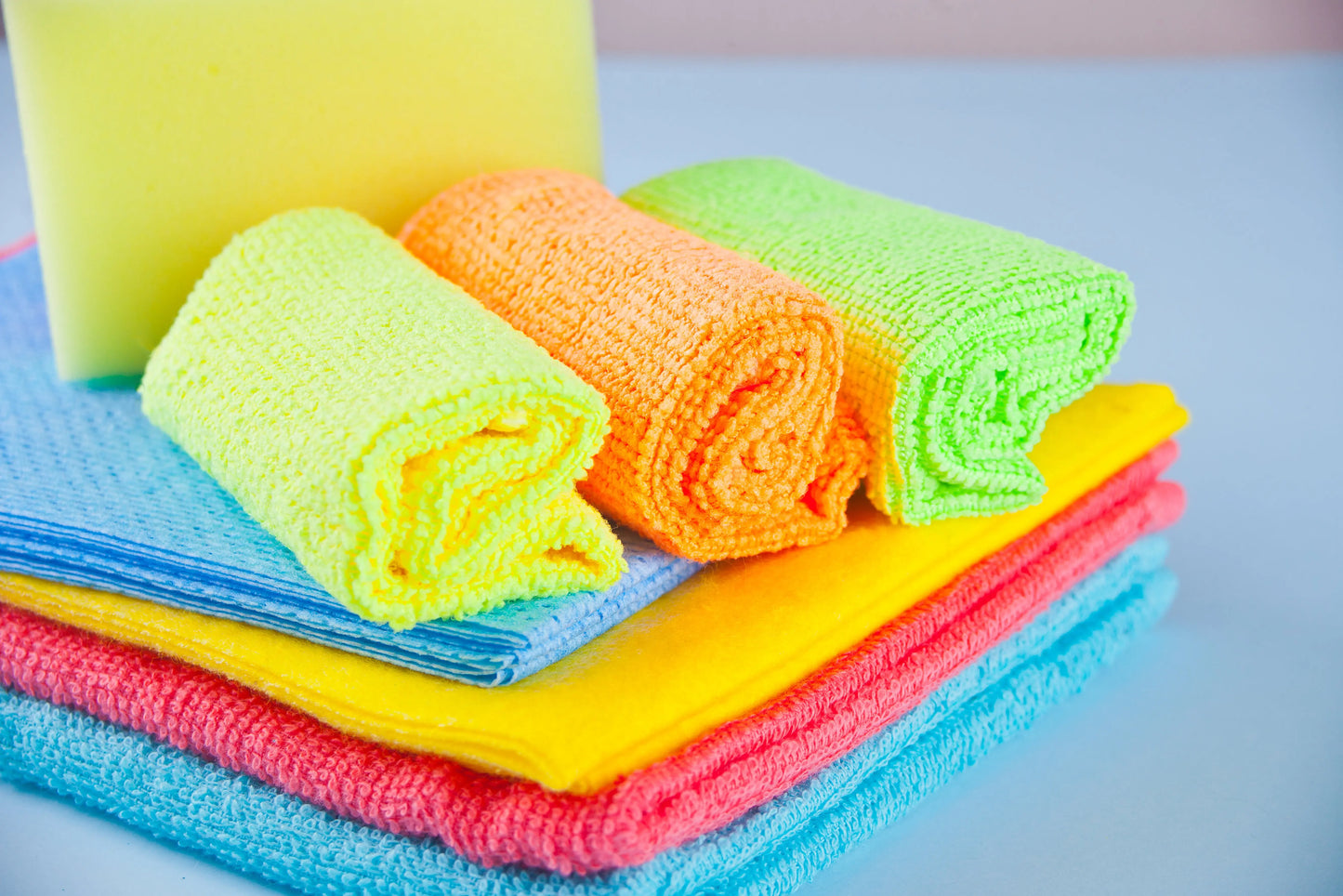
Real-world testing and personal experience
I tested towels across ten cars and varied conditions: morning dew, after clay bar, and heavy soapy wash. The highest GSM plush towels absorbed the most water but took longer to wring out. Waffle weave towels dried the paint faster with less dripping but needed more passes for heavy water.
Lessons learned
- Rinse towels frequently during use to avoid trapped dirt.
- Use two towels: one for initial dry and one for buffing or finishing.
- Never use a towel that picked up grit on paint without folding or switching to a clean face.
This hands-on microfiber car towel comparison is based on repeatable tests and typical garage scenarios. Your results will vary with water hardness and vehicle finish.
How to choose the right microfiber towel: a buyer’s checklist
- Identify the task
- Drying, polishing, glass, interior, or clay/lube.
- Check GSM
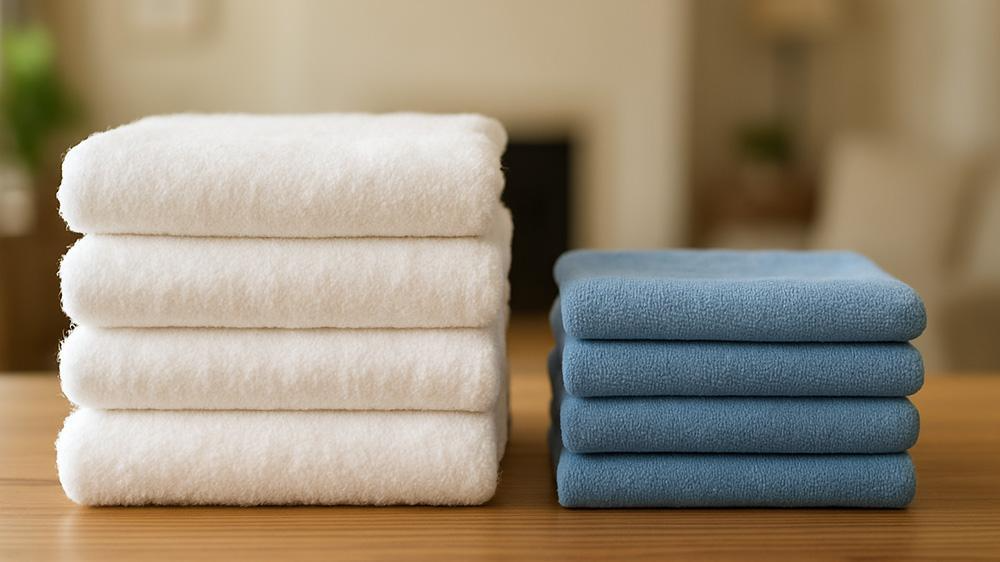
- 300–400 GSM for glass and finishing. 400–600 GSM for general purpose. 600–900+ GSM for plush drying.
- Inspect pile length
- Short nap for detail work. Long nap for drying.
- Look at weave
- Waffle for speed. Plush for absorbency. Twisted for durability.
- Feel the edge and stitching
- Soft, well-finished edges prevent paint contact damage.
- Consider size
- 16×24 inches is common and balanced. Larger towels cover more area but feel heavy when wet.
- Plan maintenance
- Buy towels that tolerate machine washing at high temps without losing shape.
This practical checklist makes your microfiber car towel comparison actionable when shopping.
Care and maintenance: extend towel life
- Wash new towels before first use to remove lint.
- Use warm water and a gentle detergent.
- Avoid fabric softeners and bleach.
- Tumble dry low or air dry to preserve fibers.
- Store clean towels in a dry place and separate interior and exterior towels.
I ruined one premium towel by using dryer sheets. Don’t do that. Proper care keeps a towel useful for hundreds of washes and improves your return on investment in any microfiber car towel comparison.
Common mistakes, limitations, and how to avoid them
- Mistake: Using one towel for everything
- Use dedicated towels: drying, glass, and finishing.
- Mistake: Not folding towel
- Fold to create clean faces; change faces often to avoid dragging grit.
- Limitation: High GSM holds more water
- It can be heavy and slower to dry between cars.
- Limitation: Cheap towels shed
- Low-quality microfiber will leave lint and degrade quickly.
A balanced microfiber car towel comparison notes these trade-offs so you pick the right tool for the task, not just the most expensive towel.
Quick PAA-style questions
What towel is best for drying a car quickly?
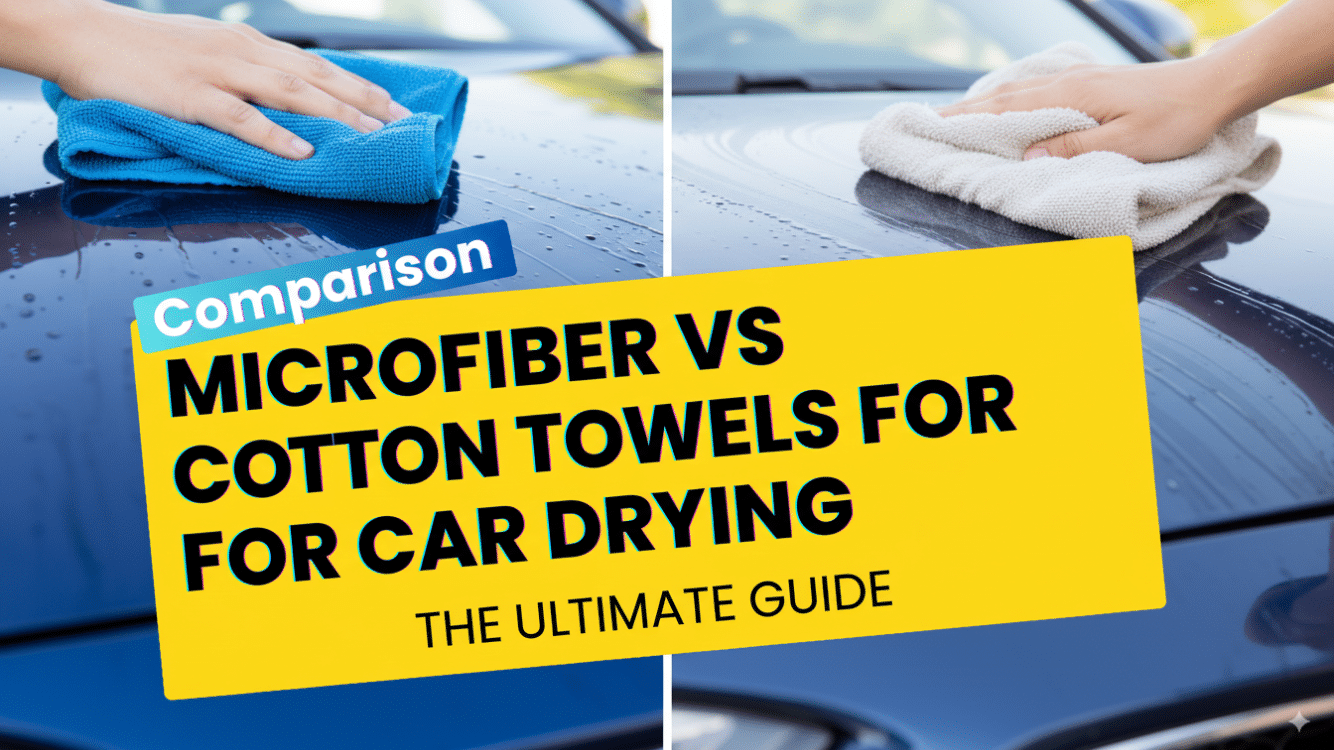
Waffle weave towels are best for fast drying. They hold lots of water and dry fast between uses.
Can microfiber scratch paint?
Microfiber itself is soft, but trapped grit can scratch paint. Always rinse and fold towels to keep clean faces.
How often should you wash microfiber towels?
Wash after every use for exterior work or when they become dirty. Frequent washing removes contaminants and restores absorbency.
Frequently Asked Questions of microfiber car towel comparison
What is GSM and why does it matter?
GSM measures towel density. Higher GSM means more fiber and usually better absorbency and softness.
Are all microfiber towels safe for ceramic coatings?
Most are safe, but use low-lint, high-quality towels and avoid abrasive edges. Test on a small area if unsure.
How do I prevent streaks when drying glass?
Use a low-nap glass towel with a light, cross-direction buff. Keep the towel clean and dry for best results.
Can I use the same towel for paint and wheels?
No. Wheels carry grit and brake dust. Use separate towels to avoid transferring contaminants to paint.
How do I remove trapped dirt from a towel?
Rinse thoroughly under running water and use a washer with a hot cycle. Inspect towel faces and retire towels that still trap grit.
Conclusion
This microfiber car towel comparison gives you clear metrics, real tests, and practical steps to choose the right towel for every detailing job. Match towel type to task, follow the care tips, and keep separate towels for drying, glass, and wheels to protect paint. Start by choosing one high-quality drying towel and one glass/finishing towel, then expand your kit as needs grow. Try the checklist on your next wash, share your results, and leave a comment with questions or experiences—I’d love to hear what worked for you.
As an Amazon Associate, I earn from qualifying purchases.