
As an Amazon Associate, I earn from qualifying purchases.
How To Use Leather Honey: Clean, Condition & Shine -2026
Contents
- 1 How To Use Leather Honey: Clean, Condition & Shine -2026
- 1.1 Leather Honey Leather Conditioner 8 oz
- 1.2 Leather Honey Complete Leather Care Kit
- 1.3 Leather Honey Leather Cleaner
- 1.4 Leather Honey Conditioner (Original Formula)
- 1.5 Leather Honey Lint-Free Application Cloth
- 1.6 How to Use Leather Honey: Step-by-Step
- 1.7 Expert Use Cases and Project Playbook
- 1.8 Troubleshooting and FAQs While You Work
- 1.9 FAQs Of how to use leather honey
- 1.10 Final Verdict: Which Should You Buy?
Category
Clean with Leather Honey Cleaner, apply a thin coat of Leather Honey Conditioner, let it absorb, then buff.
You love your leather. But grime, sun, and spills dull the look fast. Maybe your car seats feel dry. Your couch looks tired. Or your favorite boots have lost that rich glow. I have been there. The good news is that learning how to use Leather Honey is simple. With the right steps and the right tools, you can clean, condition, and protect leather so it looks great and lasts longer. I’ll walk you through the exact process, plus share the best Leather Honey picks I’ve tested for cars, couches, jackets, and more.
Leather Honey Leather Conditioner 8 oz

This 8-ounce Leather Honey Leather Conditioner is the classic bottle I reach for when I want a deep, lasting treatment. The formula has been around since 1968, and it shows in how well it revives dry leather. It sinks in, softens fibers, and helps protect from moisture and wear. I have used it on car seats, boots, belts, and a mid-century leather chair with great results.
Using it is easy. Clean first, then apply a thin coat with a lint-free cloth. Leave it to absorb for a few hours. Buff away any excess. One small bottle covers a lot because the product is very concentrated. A little goes a long way.
Pros:
- Long-lasting conditioning that can protect for six months or more.
- Concentrated formula means you use less per application.
- Non-toxic and made in the USA, which I appreciate for indoor use.
- Restores suppleness and helps reduce the look of scuffs and dryness.
- Works well on car seats, couches, jackets, and leather accessories.
- Repels moisture after it cures, which helps resist water spots.
- No silicone or solvents that can harm leather over time.
Cons:
- Can darken light leather a shade at first; always spot test.
- Thicker texture; over-application can feel tacky until buffed.
- Needs time to absorb; not ideal if you need instant results.
My Recommendation
If you want a trusted, all-around conditioner for real leather goods, this 8 oz bottle is perfect. It suits car interiors, family couches, and daily-wear belts or bags. I recommend it if you are learning how to use leather honey and want a safe, simple start. Thin coats, patience, and a final buff will give you that clean glow you want.
| Best for | Why |
| Everyday leather care | Concentrated, reliable, and easy to apply in small amounts |
| Car seats and couches | Deep hydration and a durable finish after curing |
| Belts, boots, and bags | Restores softness and helps reduce small scuffs |
Leather Honey Complete Leather Care Kit

This kit gives you the two things you need most: cleaner and conditioner. It also includes two cloths that do not shed, which keeps lint off your leather. The cleaner lifts oils, dirt, and salt. The conditioner then feeds the leather and brings back a soft hand. I like this kit for first-time users or anyone who wants a one-box fix.
The key to how to use leather honey with a kit is the order. Clean first to remove any buildup. Let the leather dry. Add a thin coat of conditioner and give it time to soak in. Then buff. The cloths make application easy and help avoid waste.
Pros:
- All-in-one bundle covers both cleaning and conditioning steps.
- Two cloths included; they are lint-free and soft on delicate grain.
- Non-toxic formulas are safe around family spaces.
- Cleaner can be used on leather, faux leather, and vinyl surfaces.
- Conditioner restores softness and helps shield from drying out.
- Great value if you want to build a full care routine fast.
Cons:
- Smaller bottles than stand-alone options; may run out sooner on big jobs.
- Not for suede or nubuck; you will need special products for those.
- You still need to allow cure time; not instant protection.
My Recommendation
Pick this if you want an easy path to success and a clear plan on how to use leather honey. It suits new users, apartment dwellers, or anyone who wants tidy storage. The cleaner preps surfaces well, and the conditioner finishes strong. It is also a smart choice for households with both leather and vinyl items.
| Best for | Why |
| First-time users | Everything you need to clean and condition in one box |
| Mixed-material homes | Cleaner works on leather, faux leather, and vinyl |
| Small-to-medium jobs | Right-sized bottles and two lint-free cloths |
Leather Honey Leather Cleaner
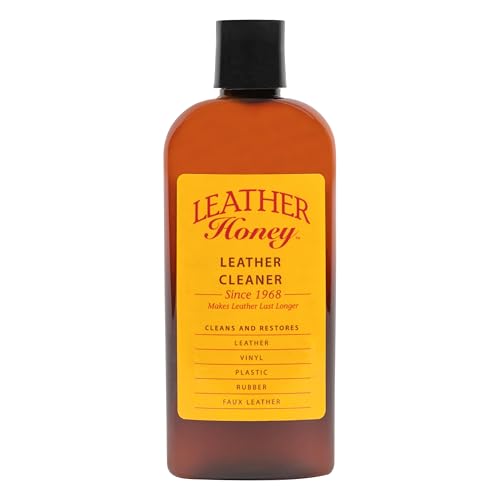
Leather Honey Leather Cleaner is my prep step before any conditioning. It removes body oils, grime, and daily dust with little effort. You can use it on leather as well as faux leather and vinyl. That makes it handy for car interiors and mixed-material furniture.
If you want to know how to use leather honey the right way, start here. Apply the cleaner to a cloth. Wipe the surface. For stuck dirt, let it dwell for a minute, then wipe again. Always allow the item to dry before you add conditioner. Clean leather accepts conditioner better and more evenly.
Pros:
- Safe for leather, faux leather, and vinyl surfaces.
- Removes body oils, dirt, and salt stains without harsh solvents.
- Low odor and easy to use; good for indoor cleaning.
- Leaves no sticky residue, so you can condition right after drying.
- Helps prevent blotchy conditioning by removing buildup first.
- Ideal for steering wheels, armrests, and high-touch zones.
Cons:
- Very heavy grime may need repeat passes or a soft brush.
- Not designed for suede or nubuck.
- Cleaning alone will not restore softness; you still need conditioner.
My Recommendation
Use this if you want clean results without residue. It is the first step in how to use leather honey for best outcomes. I recommend it for cars, family couches, and any spot that sees skin contact or spills. Follow with conditioner for shine and protection.
| Best for | Why |
| Prep before conditioning | Removes oils and film that block absorption |
| Car interiors | Safe on leather, faux leather, and vinyl |
| High-traffic zones | Fast wipe-downs with low odor and no residue |
Leather Honey Conditioner (Original Formula)

This is the classic Leather Honey Conditioner many long-time owners swear by. The original formula soaks into the fibers and helps restore a rich, even tone. It is ideal for larger projects like sectionals, multi-row car seating, or a lineup of boots and bags. If you need a proven conditioner with wide coverage, start here.
When I explain how to use leather honey to friends, I stress thin coats and time. A dime-sized dab can cover a big area. Let it absorb for two hours or even overnight. Then buff off the extra. That is how you get a dry-to-the-touch finish that still protects.
Pros:
- Trusted original formula with decades of real-world use.
- Deep conditioning for older, drier leather items.
- Helps resist moisture once cured.
- Brings back a healthy sheen without a high-gloss look.
- Affordable per use due to high concentration.
- Made in the USA with a non-toxic approach.
Cons:
- May darken very light leather; spot test first.
- Requires cure time; not for last-minute touch-ups.
- Not for suede, nubuck, or vinyl.
My Recommendation
Choose the original formula if you manage a lot of leather or want a time-tested staple. It is the right pick for couch projects, classic car seats, and boots that see hard wear. If you want a set-and-forget routine for how to use leather honey, this is a solid base. Apply sparingly, wait, then buff for a soft, even finish.
| Best for | Why |
| Large leather projects | Reliable coverage and depth of conditioning |
| Aged or dry leather | Revives fibers and restores suppleness |
| Budget-conscious users | High concentration lowers cost per use |
Leather Honey Lint-Free Application Cloth

The right cloth makes a real difference. This lint-free application cloth is the tool I use for both cleaning and conditioning. It is soft, absorbent, and does not shed. That means you will not leave behind fuzz or streaks on fine grain.
It pairs well with both the Leather Honey Cleaner and Conditioner. The edges are smooth, so it will not scratch. I wash it between uses and reuse it often. It helps me control how much product I apply, which is the secret to how to use leather honey like a pro.
Pros:
- Lint-free fabric keeps surfaces clean and streak-free.
- Soft and non-scratching; safe on delicate finishes.
- Reusable and washable; reduces waste over time.
- Great control for thin, even application.
- Made in the USA to match Leather Honey standards.
- Works with cleaner and conditioner, so you only need one cloth.
Cons:
- Costs more than generic microfiber packs.
- Single cloth; consider two if you clean and condition the same day.
- White color shows stains after heavy use.
My Recommendation
If you want less mess and better results, get the lint-free cloth. It is best for anyone serious about even coats and fast buffing. I use it to dial in thin layers, which is key when learning how to use leather honey without overdoing it. It is a small add-on that delivers big upgrades in finish.
| Best for | Why |
| Clean application | Lint-free fabric leaves no fuzz or streaks |
| Controlled coverage | Helps spread thin, even coats with less waste |
| Buffing to finish | Soft texture for a smooth final sheen |
How to Use Leather Honey: Step-by-Step
If you are new to leather care, do not worry. I will show you how to use leather honey in a clean, safe, and simple way. Keep these steps handy for cars, couches, jackets, and more. Short sessions make a big difference.
Step 1: Inspect. Look for stains, spills, or sun-fading. Note high-touch areas such as armrests, headrests, seat bolsters, steering wheels, and bag handles.
Step 2: Spot test. Always test both cleaner and conditioner on a hidden area. Wait for it to dry. Check for color change. Mild darkening is normal on light leather with conditioners. If it looks good, keep going.
Step 3: Clean. Apply Leather Honey Leather Cleaner to a lint-free cloth. Wipe in small sections. For heavy buildup, let the cleaner sit for a minute, then wipe again. If your bottle is a concentrate, follow the label for dilution. Cleaning clears pores so the conditioner can soak in evenly.
Step 4: Dry. Let the item air-dry fully. Do not rush this step. Trapped moisture can block even absorption.
Step 5: Condition. Add a tiny amount of Leather Honey Conditioner to the cloth. Think dime-sized or less. Work in circular motions. Use thin coats. Less is more. If you wonder how to use leather honey without a sticky feel, this is the secret: do not over-apply.
Step 6: Wait. Let the conditioner absorb for at least two hours. For very dry leather, I prefer overnight. Leather drinks at its own pace. Patience pays off with a smooth, non-greasy finish.
Step 7: Buff. Use a clean, dry, lint-free cloth to wipe off any excess. Light buffing brings up a soft sheen. The surface should feel dry to the touch, not oily.
Step 8: Repeat if needed. If the leather is still thirsty, add a second thin coat to problem areas. Again, allow time and buff.
Frequency: For daily drivers and family couches, I condition every six months. In dry or hot climates, aim for every three to four months. Jackets and bags can go longer between sessions if stored well.
What not to do: Do not use Leather Honey Conditioner on suede or nubuck. Do not soak the leather. Do not apply over heavy dirt. Do not sit on car seats until the product has absorbed and been buffed.
Pro tips I have learned:
- Warm room, better flow. Apply in a mild-temperature space so the conditioner spreads easier.
- Edges first. Treat seams and edges because they dry out the fastest.
- High-touch zones. Give a little extra love to steering wheels, bag handles, and armrests.
- Rotate cloth sides. Keep flipping the cloth to avoid pushing old grime around.
- Use the cleaner on faux leather and vinyl. Save the conditioner for real leather only.
If you follow this plan, you know how to use leather honey the right way. Your leather will look richer. It will feel softer. It will last longer and resist future damage.
Expert Use Cases and Project Playbook
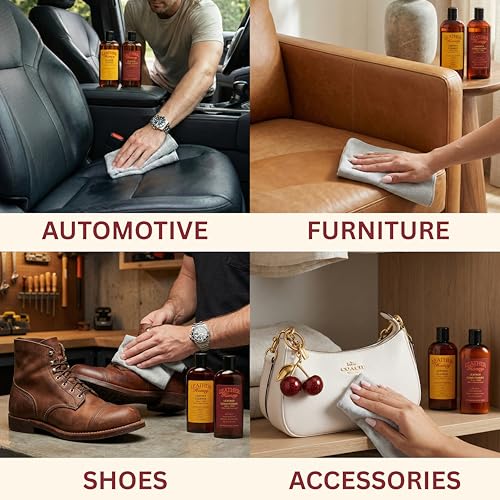
Car interiors: Clean seat bolsters, headrests, and steering wheels first. Oil from skin builds up here. Dry. Then spread a thin coat of conditioner over the seating surface, backs, and sides. Leave overnight if you can. Buff before driving. That is how to use leather honey on car seats without transfer to clothes.
Leather couches: Work section by section. Clean cushions and armrests. Let dry. Condition the entire seating surface and sides. Pay attention to stitching and seams. Leave time to absorb. Buff all surfaces. This is how to use leather honey on furniture and still be couch-ready by evening.
Jackets and bags: Clean high-touch zones like collars, cuffs, straps, and handles. Apply very thin coats. Too much conditioner can soften structure on firm bags, so be light. Let cure and buff until the finish is dry and even.
Boots and belts: Wipe off grit first. Clean and dry. Add a small amount of conditioner with controlled pressure. Treat welts and edges. After curing and buffing, you will see a healthy low-sheen finish that resists water better.
Vintage leather: Test more than once. Old dye systems vary. Start with cleaner, then a very thin coat of conditioner. Wait longer. Buff carefully. If it looks even, you can add a second thin coat a day later. Knowing how to use leather honey on vintage goods can save a family heirloom.
Troubleshooting and FAQs While You Work
Sticky feel after conditioning: You used too much. Let it sit longer. Then buff with a clean, dry cloth. If needed, lightly wipe with cleaner on a cloth and re-buff.
Blotchy absorption: The surface was not clean, or the leather is unevenly dry. Clean again, let dry, then apply a very thin coat and blend well. Buff after curing.
Light leather darkened: Most conditioners deepen the tone at first. It often lightens back as it cures. Always test. If the test looks good in 24 hours, proceed.
FAQs Of how to use leather honey
Is Leather Honey safe on all leather types?
It is safe on finished leather, aniline, and semi-aniline. Do not use it on suede or nubuck. Always spot test first.
Can I use Leather Honey on faux leather or vinyl?
Use Leather Honey Leather Cleaner on faux leather and vinyl. Use Leather Honey Conditioner only on real leather.
How often should I apply Leather Honey Conditioner?
Every six months is a good rule. In dry or hot climates, every three to four months is better.
Does Leather Honey darken leather?
It can deepen light leather at first. Test in a hidden spot and allow time to cure before deciding.
How long should I let Leather Honey absorb?
Give it at least two hours. For very dry leather, leave it overnight, then buff the next day.
Final Verdict: Which Should You Buy?
If you want a simple start, get the Leather Honey Complete Leather Care Kit. It covers cleaning and conditioning, and makes how to use leather honey feel easy and clear.
Already have a cleaner? Choose the Leather Honey Leather Conditioner 8 oz for focused care, and add the Lint-Free Application Cloth for control. If you tackle big jobs, the Original Formula is the workhorse you will reach for again and again.
As an Amazon Associate, I earn from qualifying purchases.