
As an Amazon Associate, I earn from qualifying purchases.
Regular inspections, fluid changes, and timely repairs keep your car safe and reliable long-term.
I’ve spent years working on cars and advising drivers, so I know what really keeps a vehicle running well. This guide on how to maintain my car properly walks you through easy routines, mileage- and season-based care, DIY checks, and smart records. Read on for practical steps, real-life tips I’ve used, and a clear plan you can follow week to week and year to year.

Why regular maintenance matters
Contents
Proper care reduces breakdowns and saves money. Small checks catch problems early. A well-maintained car holds value better and is safer to drive.
Doing routine work shows respect for your vehicle. If you want to know how to maintain my car properly, think of maintenance as preventive care. It prevents big repairs and keeps you on the road.
Essential routine maintenance checklist
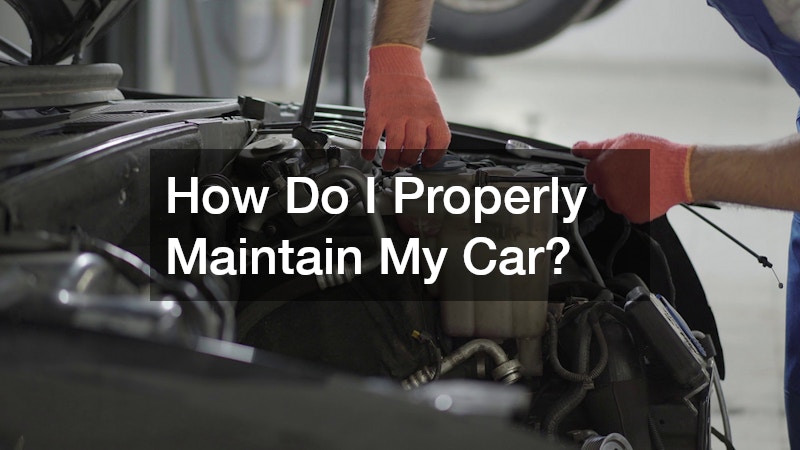
Here are the core tasks to do regularly. Follow intervals in your owner’s manual too.
- Oil and oil filter changes. Change oil every 3,000–7,500 miles depending on oil type and driving. Fresh oil protects the engine.
- Air filter. Replace or inspect every 12,000–30,000 miles. A clean filter improves fuel economy.
- Tire care. Check pressure weekly and rotate tires every 5,000–8,000 miles. Proper tires increase safety and fuel savings.
- Brake checks. Inspect pads and rotors every 10,000–20,000 miles. Squeaks or longer pedal travel mean inspect now.
- Fluid levels. Check coolant, transmission fluid, brake fluid, and power steering fluid monthly. Top up or replace as needed.
- Battery. Test battery annually and clean terminals. Replace at signs of slow starts or age over 4–6 years.
- Lights and wipers. Check lights and replace wipers every 6–12 months. Visibility is easy to maintain and crucial for safety.
- Belts and hoses. Inspect for cracks or leaks every oil change. Replace worn parts to avoid roadside failure.
- Alignment and suspension. Get alignment with uneven tire wear or after hitting potholes. Good alignment improves handling and tire life.
If you wonder how to maintain my car properly, these basics form the foundation. Do them on schedule and you cut risk of big failures.

Seasonal and mileage-based maintenance
Change tasks by season and miles. This keeps performance steady year-round.
- Winter prep. Use cold-weather oil if needed, check battery, switch to winter tires in snowy areas, and keep an emergency kit in the car.
- Summer prep. Inspect cooling system, check A/C, and monitor tire pressure as heat raises pressure.
- Every 30,000 miles. Replace fuel filter, inspect suspension, and change transmission fluid if recommended.
- Every 60,000 miles. Check timing belt and replace if due. Inspect water pump and major belts.
- High-mileage care. After 100,000 miles, follow a more frequent schedule for fluids and tune-ups. Parts wear faster in older cars.
How to maintain my car properly means adjusting your plan by season and miles. Stick to the mileage triggers in the manual and add checks for weather-related wear.
How often should I change my oil?
Change oil based on your car’s recommendations. Use synthetic oil for longer intervals and change every 3,000–7,500 miles depending on conditions.
When should I switch to winter tires?
Put winter tires on when consistent temps drop below about 45°F. They grip better in cold, wet, or snowy conditions.
How do I know if my brakes need service?
Listen for squeaks and check pedal feel. If the pedal is soft or the car pulls, have brakes inspected promptly.

DIY vs professional service
Many tasks are safe for DIY. Others need a pro. Know which is which.
- DIY-friendly tasks. Oil changes, air filter swaps, wiper replacement, battery terminal cleaning, and tire pressure checks are easy. I’ve changed oil in my driveway many times and learned to spot common issues.
- Tasks for professionals. Engine diagnostics, transmission work, brake jobs beyond pad changes, and complex electrical repairs are best left to pros. Modern cars have tech that needs proper tools.
- When to get a second opinion. If a shop recommends expensive repairs, ask for a clear explanation and a written estimate. A trusted shop should welcome questions.
Learning how to maintain my car properly includes doing simple work yourself and trusting qualified shops for big jobs. Balance saves money and keeps safety first.
Common mistakes to avoid
Avoid shortcuts that cause big costs later.
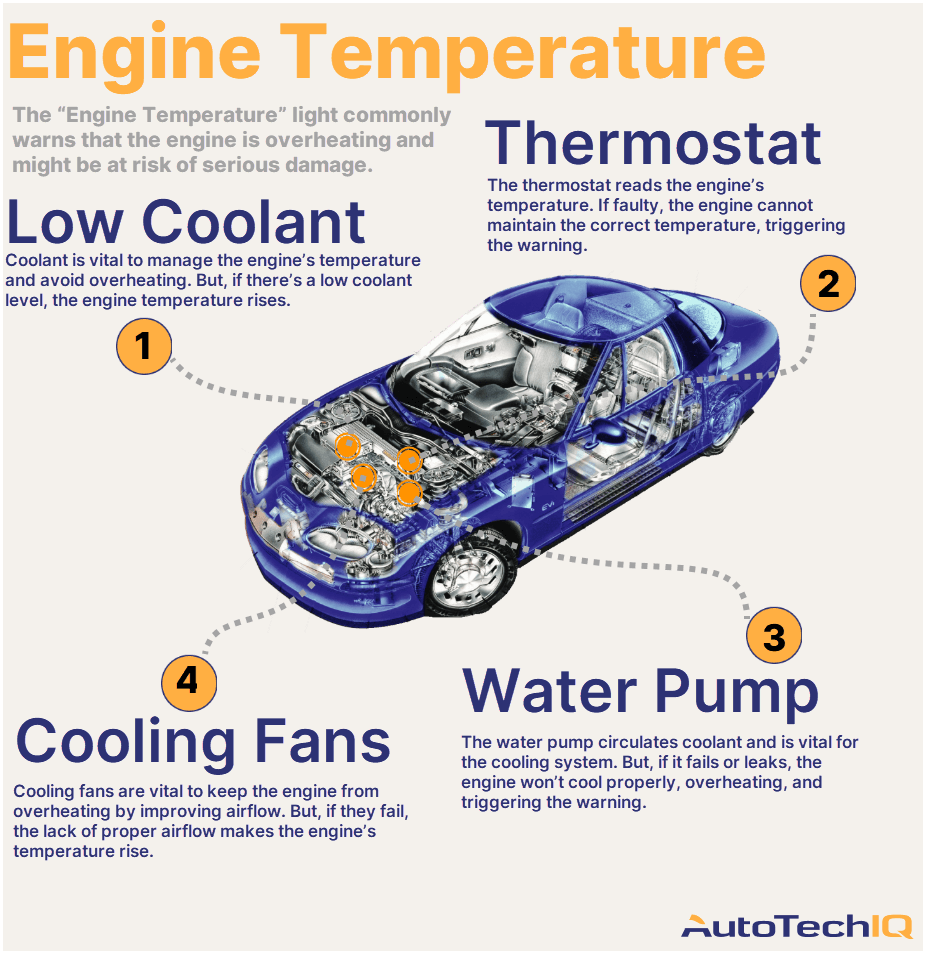
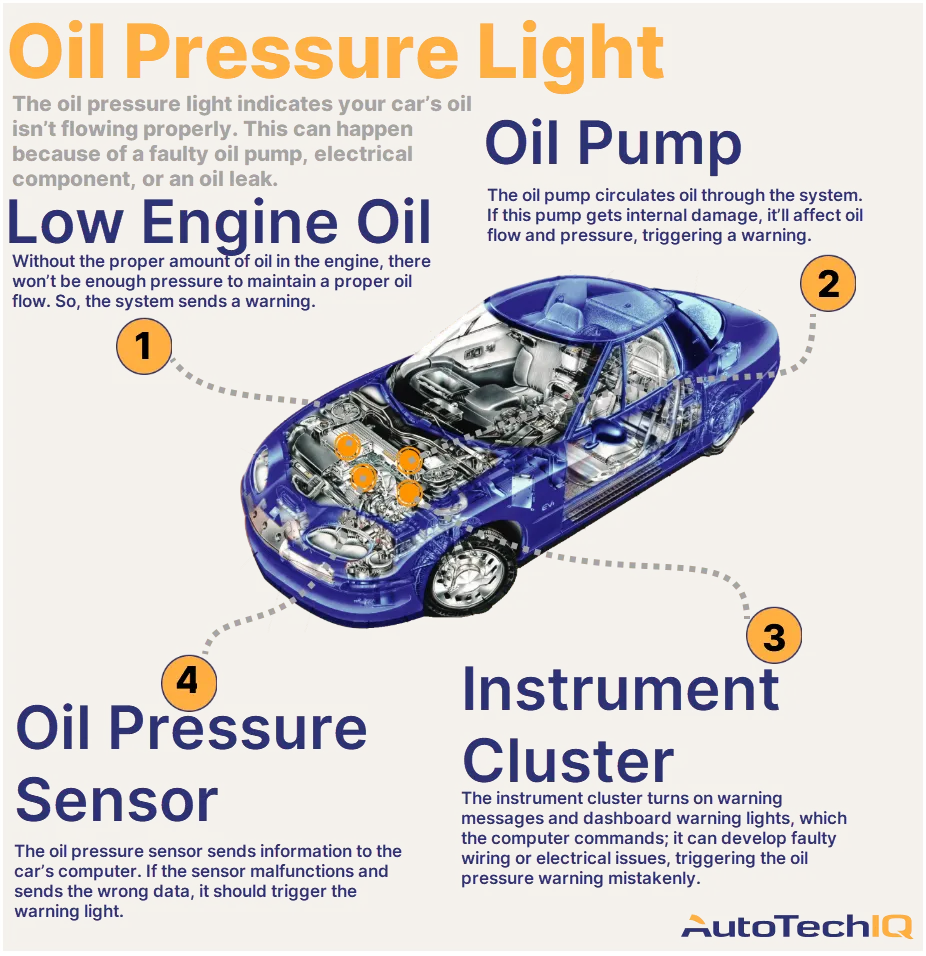
- Ignoring dashboard lights. A warning light often means a small fix now, not an emergency later. Don’t wait.
- Skipping fluid checks. Low fluids lead to overheating and damage. Check monthly.
- Overlooking tire care. Underinflated tires wear faster and waste fuel. Keep them at the right pressure.
- Using the wrong parts. Cheap filters or wrong oil can harm performance. Use parts that meet specs.
- Delaying small repairs. A small leak or worn belt is cheaper to fix early than after it fails.
If you want to master how to maintain my car properly, focus on consistency. Small steps every month prevent big headaches.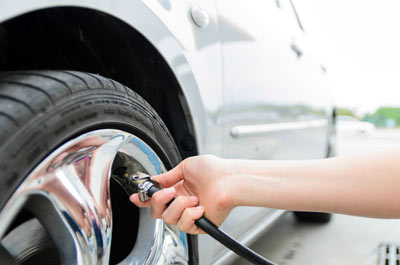
Cost-saving tips and record keeping
Smart habits reduce cost and keep service clear.
- Keep a log. Note dates, mileage, and services done. A simple notebook or app works. I use a spreadsheet for each car. It helps when selling or diagnosing problems.
- Follow the manual. Stick to the manufacturer schedule to avoid voiding warranties or causing wear.
- Shop around for routine work. Compare prices for tires, brakes, and major services. Use coupons and local shop deals.
- Do simple jobs yourself. Save on labor by doing oil changes and filters if you can. Watch tutorials and follow safety steps.
- Buy quality parts. Good parts last longer and often cost less over time.
A clear record and a steady plan make it easy to practice how to maintain my car properly. You’ll save money and stress.
Frequently Asked Questions of How to maintain my car properly
How often should I check my tires?
Check tire pressure at least once a week and inspect tread monthly. Proper pressure improves safety and fuel efficiency.
Can I use any oil for my car?
Use oil that matches the maker’s specs in the owner’s manual. Using the wrong oil can harm the engine and shorten service life.
When should I replace my timing belt?
Replace the timing belt on the interval in your manual, often between 60,000 and 100,000 miles. A broken timing belt can cause major engine damage.
Is it okay to skip dealership service?
Independent shops can provide good service if they use proper parts and follow the manual. For warranty work, follow your warranty rules.
What is the best way to track maintenance?
Keep a log with dates, mileage, and service details. Use a notebook, app, or spreadsheet for clear records and to spot trends.
Conclusion
Maintaining your car properly means regular checks, following mileage and seasonal schedules, and knowing when to DIY or call a pro. Start with simple tasks like oil changes, tire care, and fluid checks, and keep a clear service log. Take one small action this week — check tire pressure or top off coolant — and you’ll be on the path to fewer repairs and safer driving. Share your experience, subscribe for more guides, or leave a comment with your car’s make and mileage to get tailored tips.
As an Amazon Associate, I earn from qualifying purchases.